
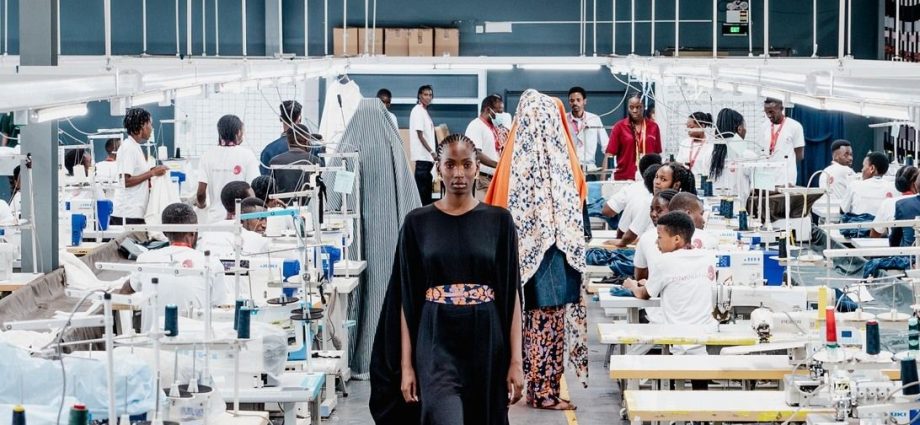
With a global apparel market estimated at $1.84 trillion in 2025 and around $1.9 trillion in 2026, fashion represents a major industry in the global economy. The challenge for African stakeholders is now to understand their place in this vast value chain, from production to retail.
The sector represents about 1.6% to 2% of global GDP, depending on the scope and definition of the industry used.
An Industry Accounting for Nearly 2% of the Global Economy
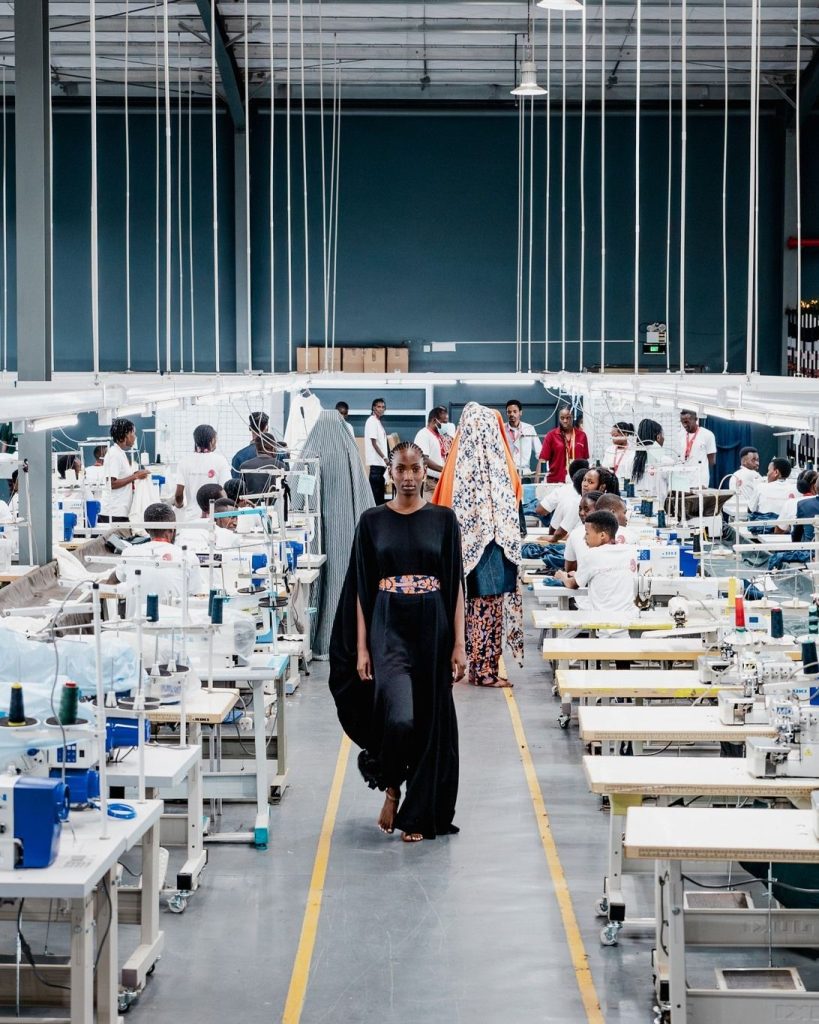
Fashion is often approached through the lens of design, trends, or luxury. Yet its economic dimensions are considerable. Available data for 2025–2026 place the global apparel market at around $1.84 trillion in 2025, with projections close to $1.9 trillion in 2026. Grand View Research thus estimates the apparel market at $1.84 trillion in 2025 and $1.9 trillion in 2026.
Relative to the global economy, this weight is generally estimated at around 1.6% to 2% of world GDP. The United Nations University indicates a contribution of approximately 2% of global GDP for the clothing and apparel sector. Meanwhile, a 2025 estimate published by EarthDay.org links a $1.84 trillion market to about 1.6% of global GDP. These differences mainly highlight the importance of the scope and methodology used.
Figures from Grand View Research illustrate the market’s acceleration. Following an estimated $1.84 trillion in 2025, the firm projects around $1.9 trillion in 2026, before progressing toward $2.5 trillion by 2033. Its scenario forecasts a compound annual growth rate (CAGR) of 4.1% between 2026 and 2033.
Statista arrives at a comparable estimate for 2026, with $1.92 trillion in revenue for the global apparel market. In its definition, the market includes clothing for women, men, and children, but specifically excludes workwear as well as bags, watches, and jewelry.
This distinction is essential: figures often presented under the term “global fashion industry” do not necessarily cover the exact same activities. An estimate including apparel, footwear, and certain accessories cannot be directly compared to a statistic limited solely to apparel.
Womenswear Crosses the $1 Trillion Threshold
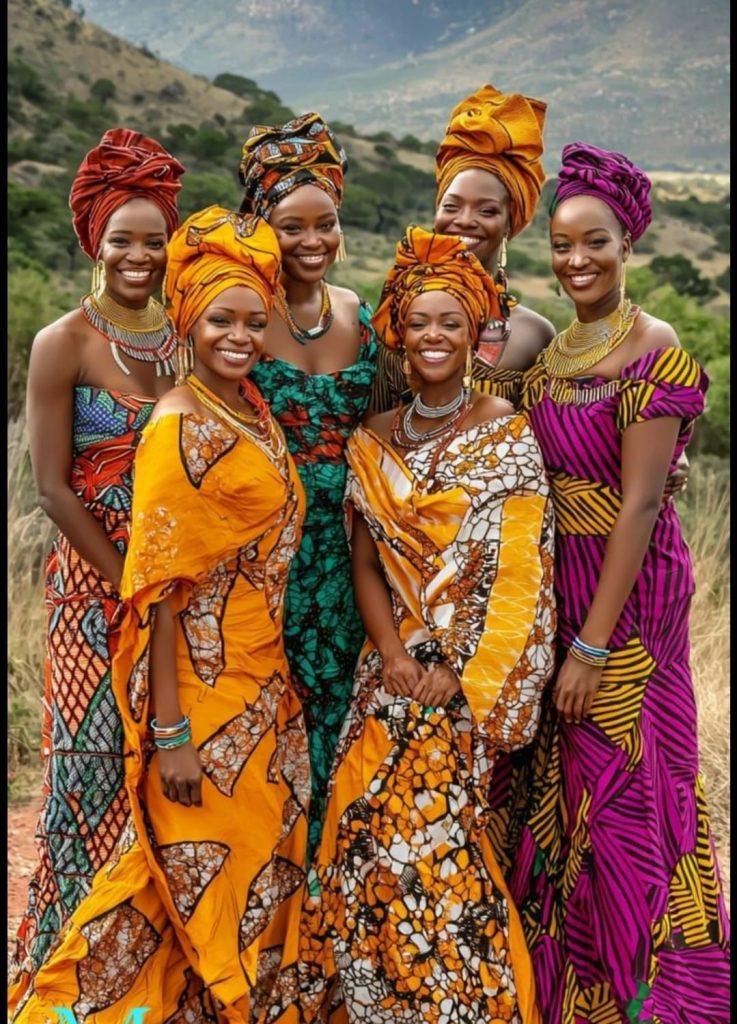
Within the global apparel market, womenswear constitutes the largest segment. Statista estimates that the global womenswear market will reach approximately $1 trillion in 2026.
Grand View Research also confirms the dominance of the women’s segment, which accounted for 51.4% of global apparel market revenues in 2025. The mass-market segment remained the majority share, generating 67.8% of revenues that same year.
These data show that fashion’s economic power does not rely solely on luxury or international fashion houses. A major portion of its value is generated by volume, ready-to-wear, retail, and everyday consumption.
Asia-Pacific Accounts for Over 40% of the Market
The geography of the sector also confirms the shift of consumption and production centers toward Asian markets.
According to Grand View Research, the Asia-Pacific region represented 40.8% of global apparel revenue in 2025, making it the market’s leading region. The same source indicates that China held the largest national market share that year.
The United States also holds a major position. Statista estimates its apparel market revenues at approximately $373 billion in 2026.
This geographical concentration serves as a reminder that the global fashion industry operates as an international value chain: design, raw material sourcing, manufacturing, logistics, distribution, marketing, and consumption are spread across multiple markets.
Digital Channels Gradually Redefine the Customer Journey
The other major transformation involves distribution. Online commerce has become a structural component of the global fashion market.
For 2026, Statista estimates revenue for the global digital fashion market at $957.31 billion within its scope. This category notably includes clothing, footwear, and certain accessories sold online.
However, this figure should not be mechanically added to the $1.92 trillion global apparel market estimate, as the two statistics do not cover the exact same scope. Nonetheless, they reflect a shared reality: digital channels have become a decisive pathway in fashion retail.
At the same time, physical stores maintain a prominent role. Grand View Research estimates that offline retail still accounted for approximately 78.3% of global apparel market revenue in 2025, even as online channels demonstrated faster growth momentum.
A Value Chain Extending Far Beyond Brands
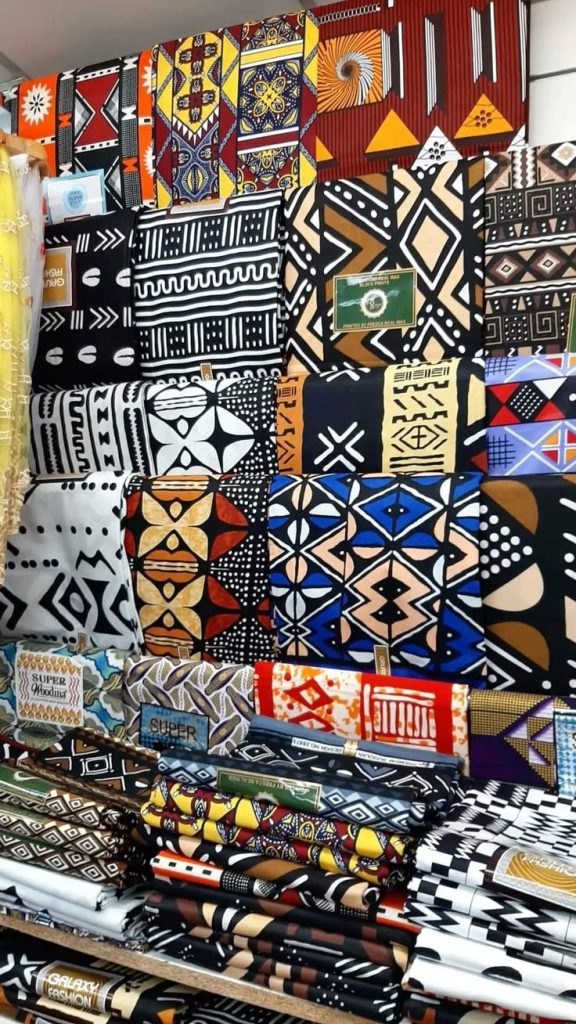
Fashion’s economic power extends well beyond the fashion houses and brands visible to consumers. It encompasses a value chain stretching from raw materials to manufacturing, transport, distribution, and retail.
The United Nations University estimates that the clothing and apparel sector employs around 60 to 70 million people. This estimate, specific to the sector studied by UNU, should be distinguished from much higher figures sometimes cited for the entire global textile and fashion chain.
This distinction is important when analyzing the African sector. Measuring fashion solely through final sales provides an incomplete view of its capacity to create value: agriculture, spinning, weaving, dyeing, garment manufacturing, design, logistics, retail, and creative services can all participate in this chain.
What Is at Stake for the African Industry?
At nearly $1.9 trillion, the global apparel market represents a massive economic arena. But the strategic question for African stakeholders is not only to know what share of this market the continent consumes. It also concerns the capacity to capture more value across the different stages of the chain.
Local production, brand development, retail structuring, access to international markets, raw material processing, and the professionalization of creative enterprises are all levels where this participation plays out.
The value of these figures lies precisely in this change of perspective: African fashion can be analyzed not only as a cultural and creative realm, but also as a component of a multi-trillion-dollar global industry where production, distribution, innovation, and consumption intersect.
Furthermore, available projections indicate that the global apparel market is expected to continue growing in the coming years. Grand View Research anticipates a $2.54 trillion market by 2033, while Statista projects an annual growth rate of 2.6% for the global apparel market between 2026 and 2030.
For African businesses, the objective will therefore be less about simply participating in this growth and more about determining where and how to create greater value within this global fashion economy.