LAGOS FASHION WEEK 2026
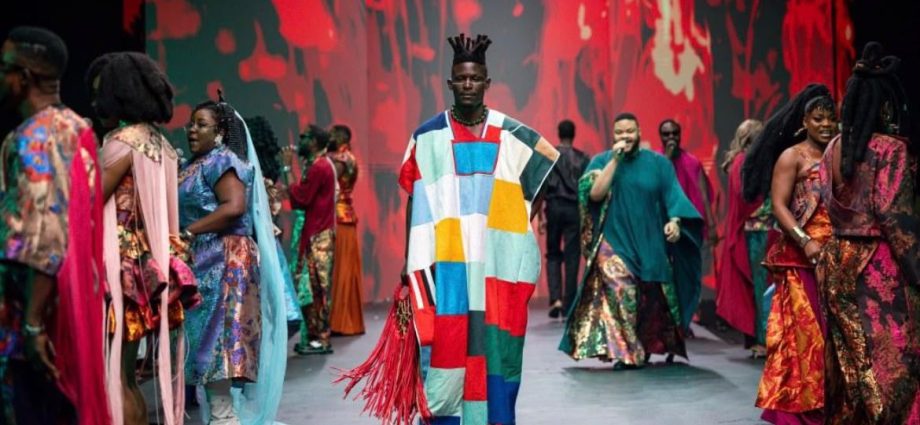
From October 28 to November 1, 2026, Lagos once again became a meeting point for African creativity. With 65 designers, approximately 16,000 attendees and a theme centred on heritage, innovation and circular futures, the 16th edition of Lagos Fashion Week highlighted an industry seeking to move beyond visibility and strengthen its place in the global fashion economy.
African fashion is no longer simply asking for a place on the international stage. It is building its own platforms, defining its creative language and increasingly confronting the economic realities of becoming a competitive industry.
The 2026 edition of Lagos Fashion Week offered a compelling illustration of this evolution.
Held at the Federal Palace Hotel, with the Lagos Fashion Week Tents serving as its presentation space, the event brought together designers, fashion professionals, buyers, media representatives and creative industry stakeholders from across Africa and beyond.
According to figures reported by Vogue, approximately 65 designers and 16,000 attendees participated in this edition. Beyond the numbers, the event highlighted a broader ambition: positioning Lagos not merely as a centre of fashion visibility, but as a strategic hub for African creative and commercial exchange.
HERITAGE IS A CREATIVE ASSET. INNOVATION IS THE NEXT CHALLENGE.
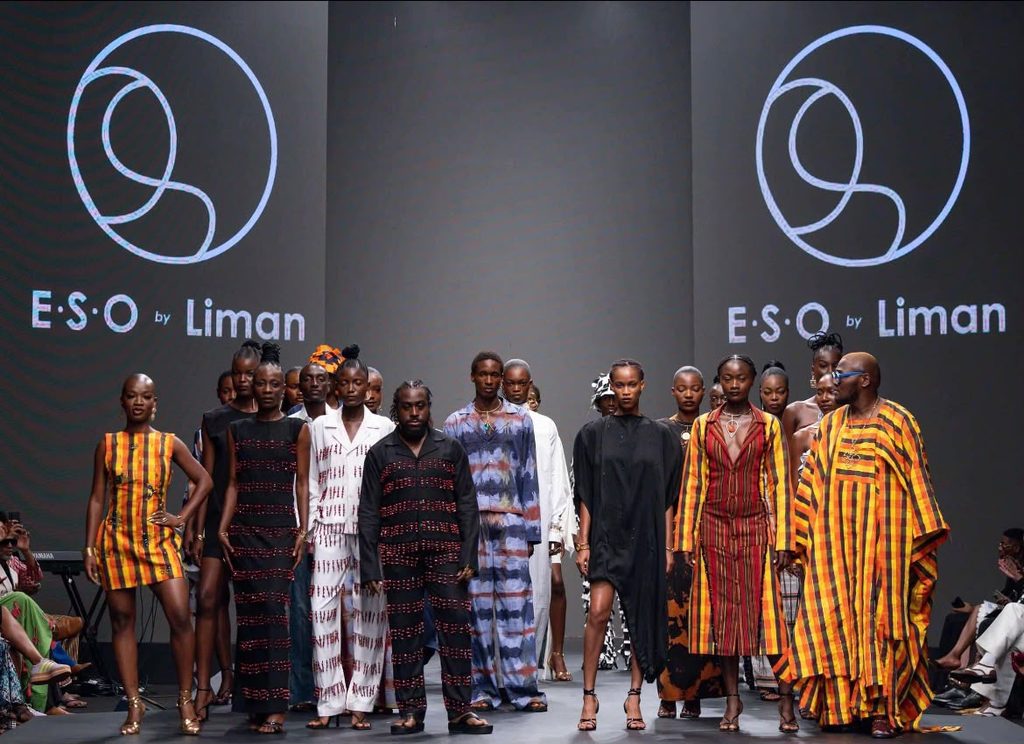
Under the theme “CRAFTED: Heritage. Innovation. Circular Futures.”, Lagos Fashion Week placed craftsmanship and material culture at the heart of its 2026 edition.
The choice of theme reflects an important development in contemporary African fashion. Heritage is increasingly being approached not simply as a source of inspiration or cultural symbolism, but as a creative resource capable of generating distinctive products, commercial value and new opportunities.
Traditional techniques, textile knowledge and artisanal skills offer African designers a powerful foundation for differentiation.
But the question goes further: how can these resources be integrated into contemporary production systems, developed at scale and positioned within increasingly demanding international markets?
This is where the conversation around innovation and circularity becomes particularly relevant. Preserving craftsmanship is essential, but building viable business models around it is equally important.
LAGOS IS BECOMING A CROSSROADS FOR AFRICAN FASHION.
The presence of designers from Nigeria, Ghana, Côte d’Ivoire, South Africa and Uganda reinforced the pan-African dimension of this edition.
Labels including Christie Brown, Elie Kuame, Imprint ZA and IGC Fashion contributed to a creative landscape that extends beyond national identities.
This diversity matters.
Africa does not have a single fashion aesthetic, nor should it seek one. Its creative strength lies in the coexistence of different cultural references, design philosophies, textile traditions and contemporary expressions.
By bringing these perspectives together, Lagos Fashion Week strengthens its role as a platform for professional connections, creative exchange and potential commercial partnerships.
For designers, such platforms can open doors to new audiences and markets. For the industry, they help create the conditions for a more connected African fashion ecosystem.
THE DESIGNERS: MULTIPLE IDENTITIES, ONE EXPANDING INDUSTRY.
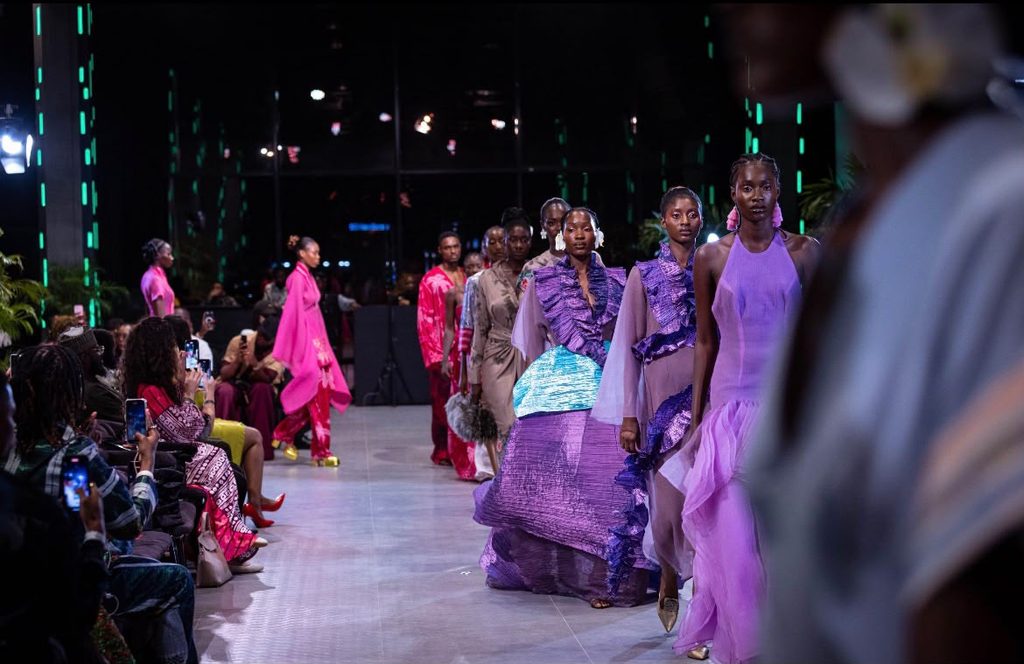
The participation of designers and fashion houses such as Lisa Folawiyo, Andrea Iyamah, Ugo Monye, Ejiro Amos Tafiri, Christie Brown, Fruché and Orange Culture reflected the breadth of contemporary African fashion.
Their work illustrates the diversity of creative approaches emerging from the continent, from distinctive interpretations of contemporary luxury to explorations of cultural heritage, tailoring, colour and experimental silhouettes.
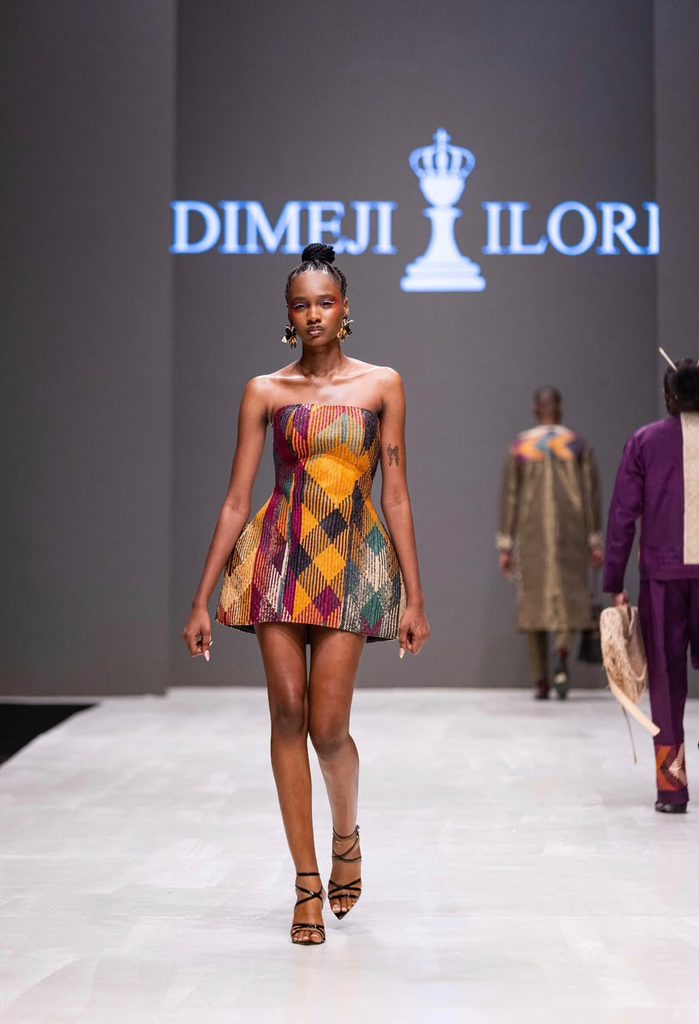
Among the presentations, Dimeji Ilori stood out for a sculptural approach to fashion.
His exploration of generous volumes, textured surfaces, imposing headpieces and ornamental details demonstrated how material and silhouette can become powerful instruments of artistic expression.
Contrasts between black and ivory, textured finishes, patterned tailoring and references to cowrie shells gave the presentation a distinctive visual identity.
Such creative propositions are important because they challenge the idea that African fashion must conform to a predefined visual language to be internationally recognised.
The continent’s designers are not simply interpreting global trends. They are developing their own creative vocabularies.
THE REAL TEST: TURNING VISIBILITY INTO BUSINESS.
A successful runway presentation can generate attention. Building a sustainable fashion business requires much more.
This remains one of the central challenges facing African fashion brands.
Access to buyers, distribution networks, investment, production infrastructure and specialised business expertise continues to shape the industry’s ability to grow.
Lagos Fashion Week increasingly addresses this dimension through professional activities, business-focused discussions and networking opportunities.
The growing interest of international buyers also points to a shift in expectations. Creativity alone is not enough. Collection quality, wearability, production capacity, pricing and commercial potential are becoming increasingly important considerations.
For African designers, the challenge is therefore twofold: maintaining a distinctive creative identity while developing the operational capacity to compete in international markets.
This is where the future of the industry will be determined.
AFRICAN FASHION MUST OWN MORE THAN ITS CREATIVE NARRATIVE.
The international visibility of African fashion has expanded considerably. Yet visibility should not be confused with industrial strength.
An industry becomes sustainable when its creative talents can build viable businesses, when its artisans benefit from the value they create, when local production systems become stronger and when brands have access to markets on fair and competitive terms.
Lagos Fashion Week provides an important platform for advancing this conversation.
But the ambitions of African fashion must extend beyond the success of individual events. They require investment, collaboration, professional training, stronger value chains and a long-term commitment to building businesses rooted in African creative resources.
THE AFRIKASHION PERSPECTIVE: THE NEXT CHAPTER MUST BE ABOUT VALUE.
The 2026 edition of Lagos Fashion Week demonstrated the creative depth and growing international reach of African fashion.
But perhaps its most important contribution lies in the questions it raises about the industry’s next phase.
How can African designers transform recognition into lasting commercial success? How can traditional craftsmanship become a competitive economic asset? And how can African fashion platforms contribute to building an industry that creates value on the continent?
These are no longer secondary questions. They are central to the future of African fashion.
At AFRIKASHION, we believe that celebrating African creativity must go hand in hand with examining the structures that allow it to thrive.
The continent has talent, heritage, ideas and an increasingly visible creative voice. The next challenge is to strengthen the industry behind that creativity.
Lagos has put African creativity in the spotlight. The next ambition must be to ensure that African fashion captures a greater share of the value it creates.